Slovak University of Agriculture in Nitra Hosts Successful “ECOUNITY DAYS” to Promote Green Development
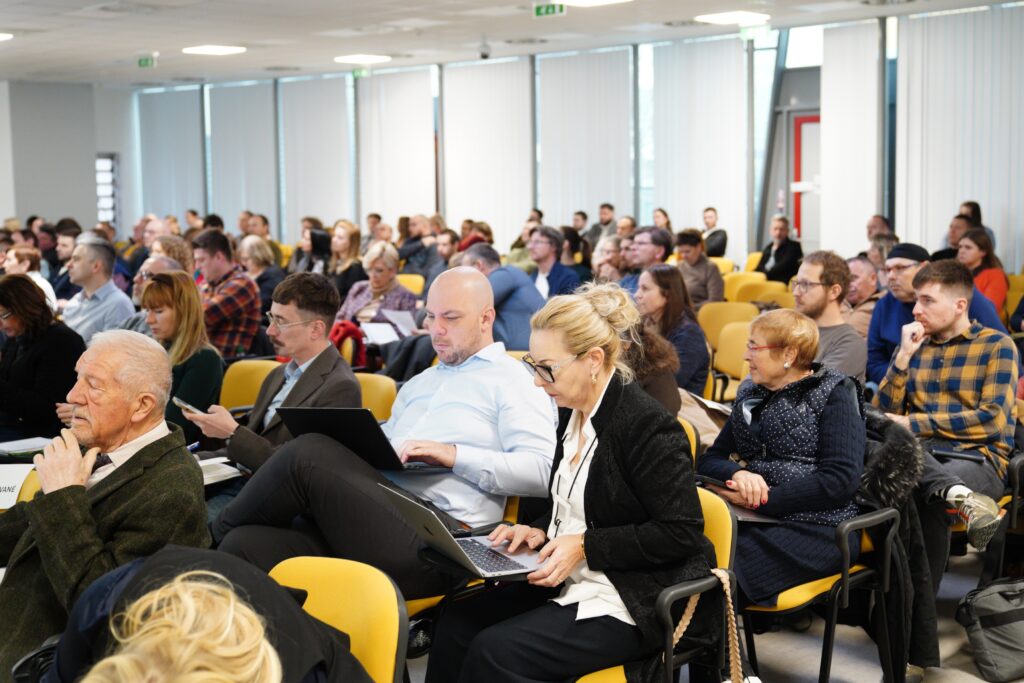
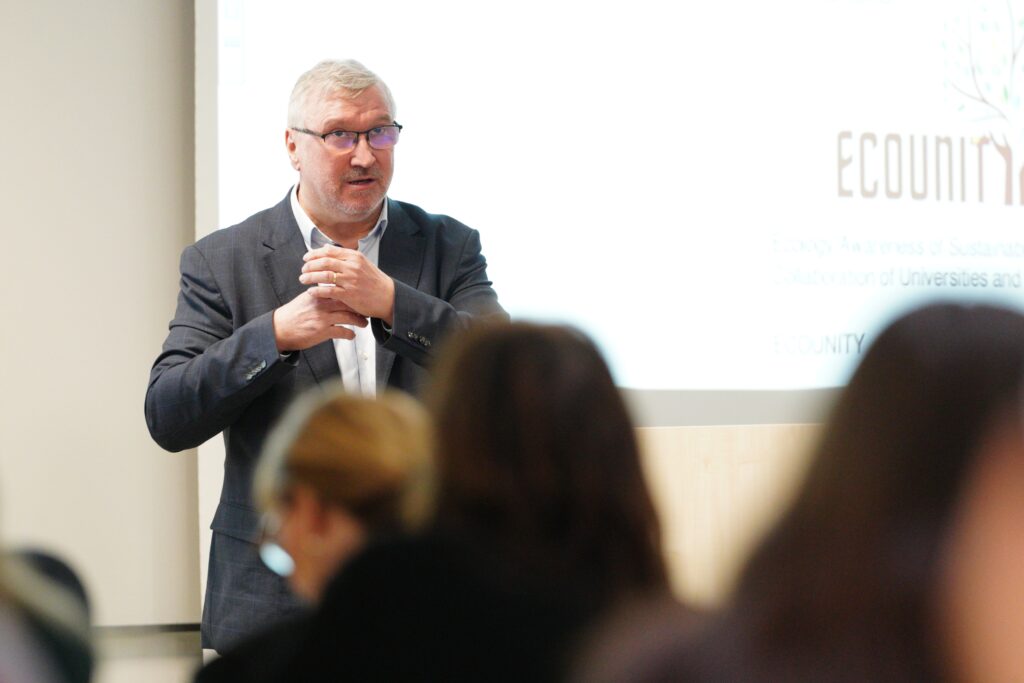
NITRA, SLOVAKIA – The Slovak University of Agriculture (SUA) in Nitra, in collaboration with SOS BirdLife Slovakia, recently concluded a series of high-impact dissemination events titled “ECOUNITY DAYS,” bringing together academic and local actors to advance sustainable green development. The initiative comprised two major events held at the SUA campus in Nitra, attracting a total of 216 participants. The diverse audience included 73 university students, 31 lecturers, 18 NGO representatives, and 8 local authority representatives, alongside various agricultural stakeholders.
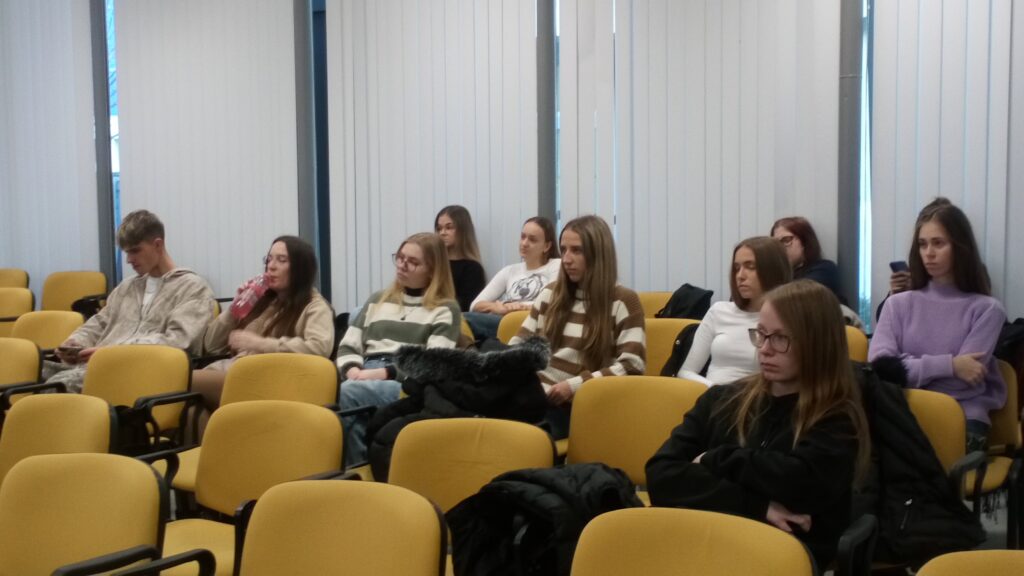
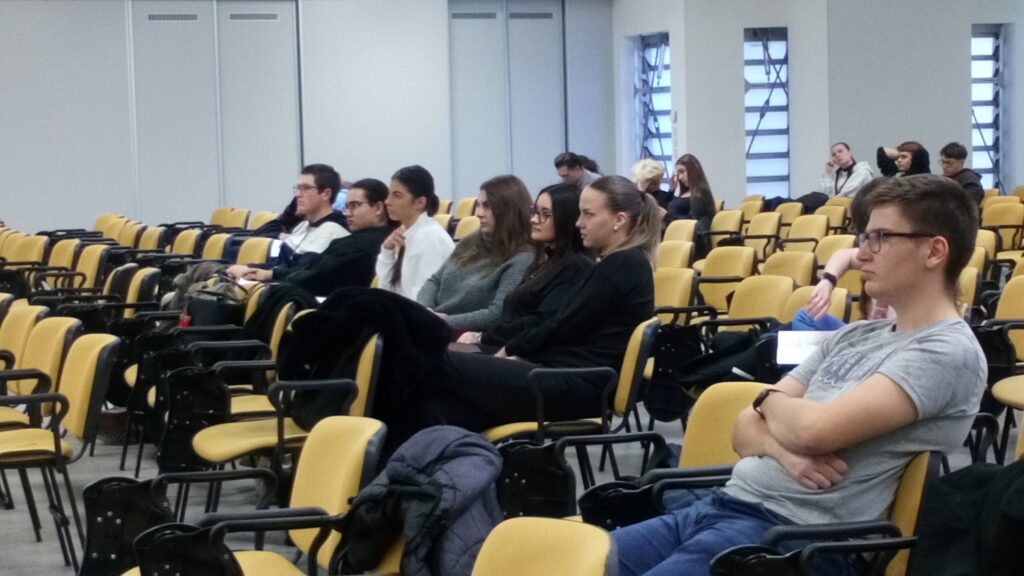
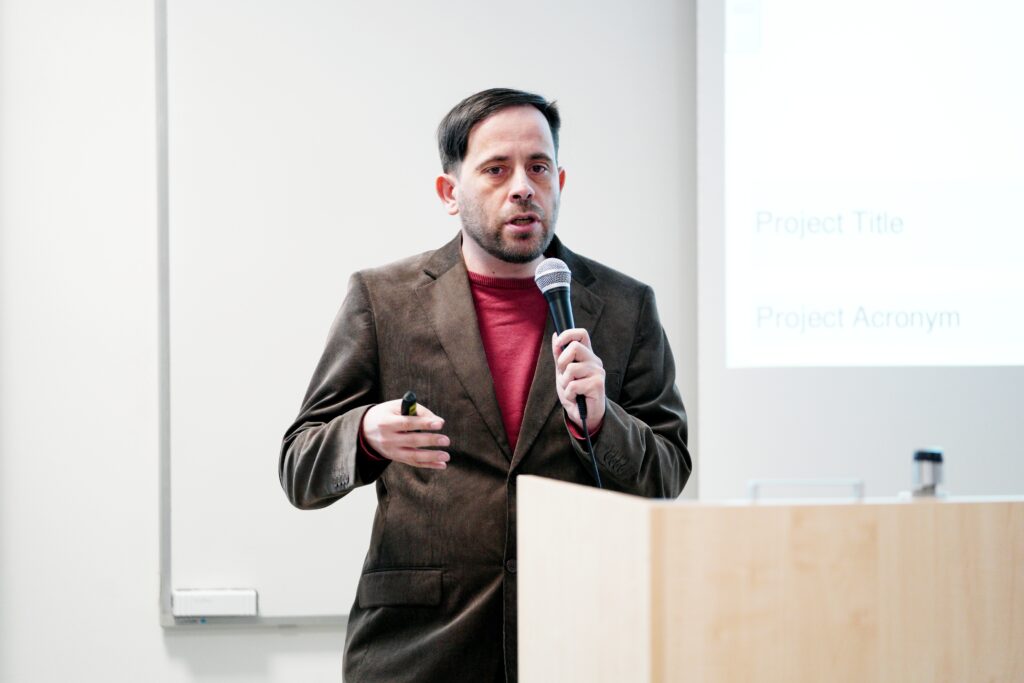
Engaging the Next Generation The first event took place on December 9, 2025, specifically targeting 61 first-year students from the Accounting and Business Management programmes. This session focused on introducing the core objectives of the ECOUNITY Erasmus+ project, emphasizing the importance of environmental literacy and university-NGO cooperation. Expert presentations delved into the environmental aspects of the EU’s Common Agricultural Policy (CAP) and its role in biodiversity protection within the Slovak landscape. Students actively participated in an interactive Q&A session, discussing the economic rationale behind sustainable decision-making.
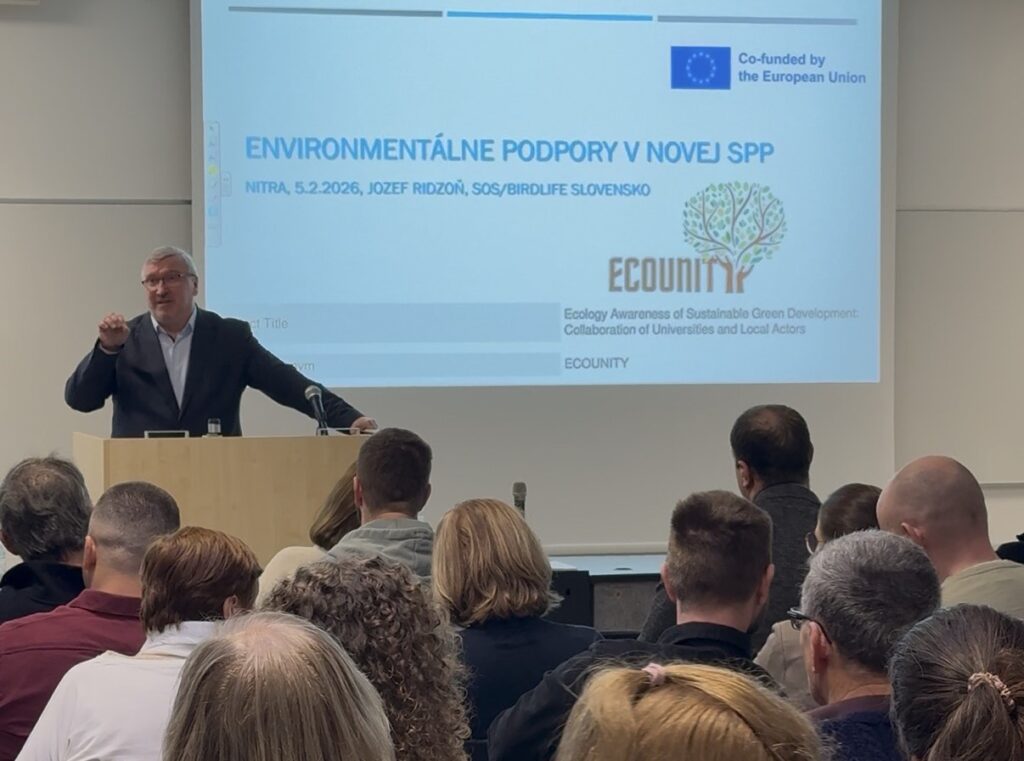
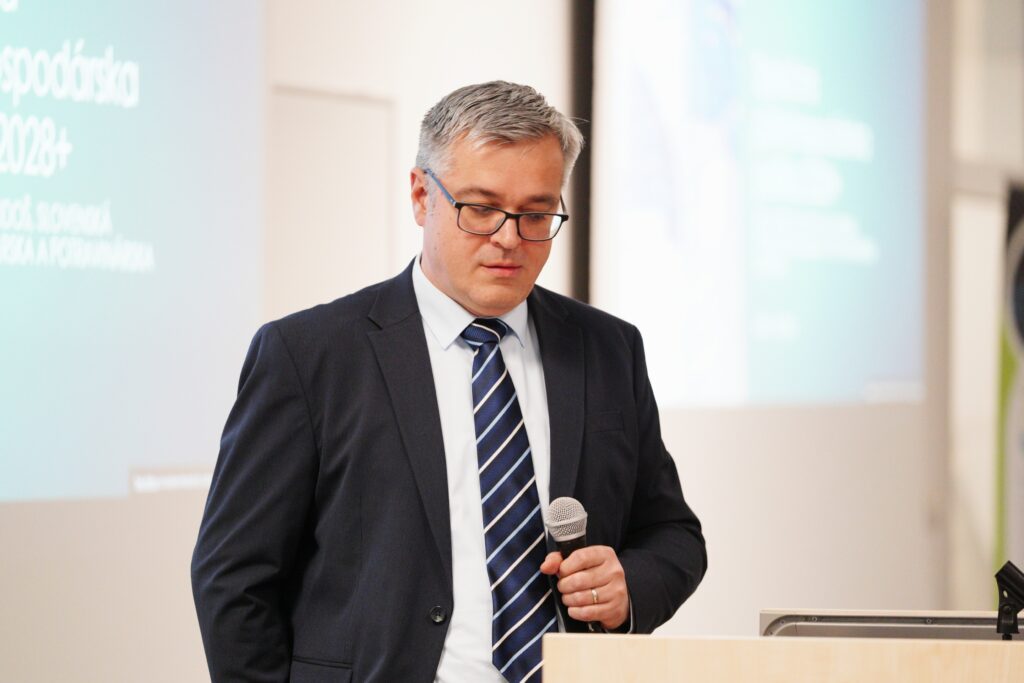
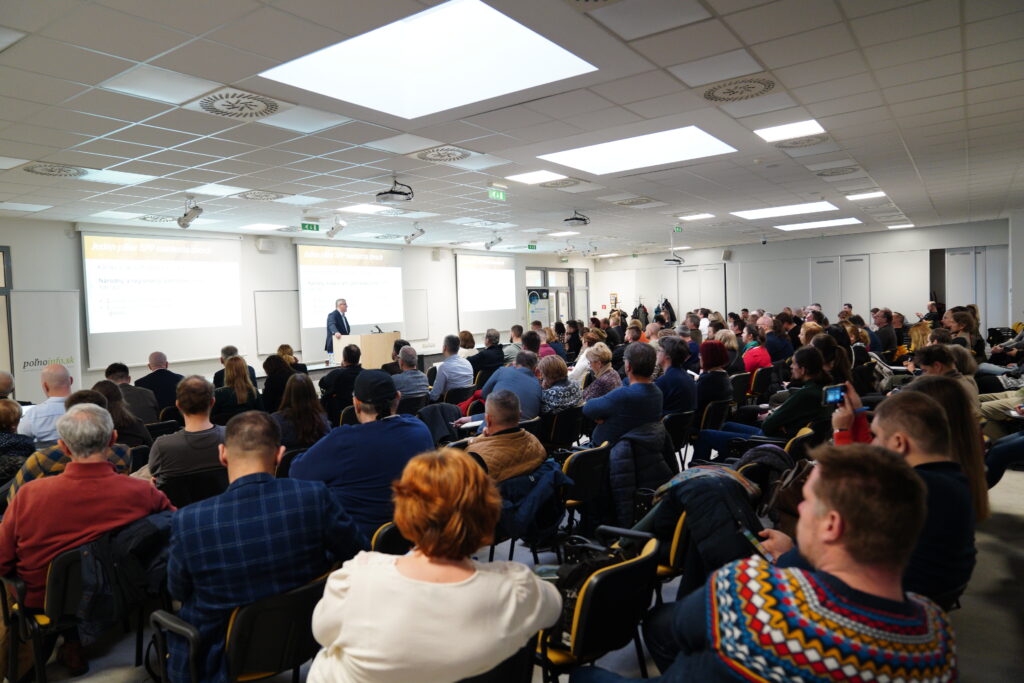
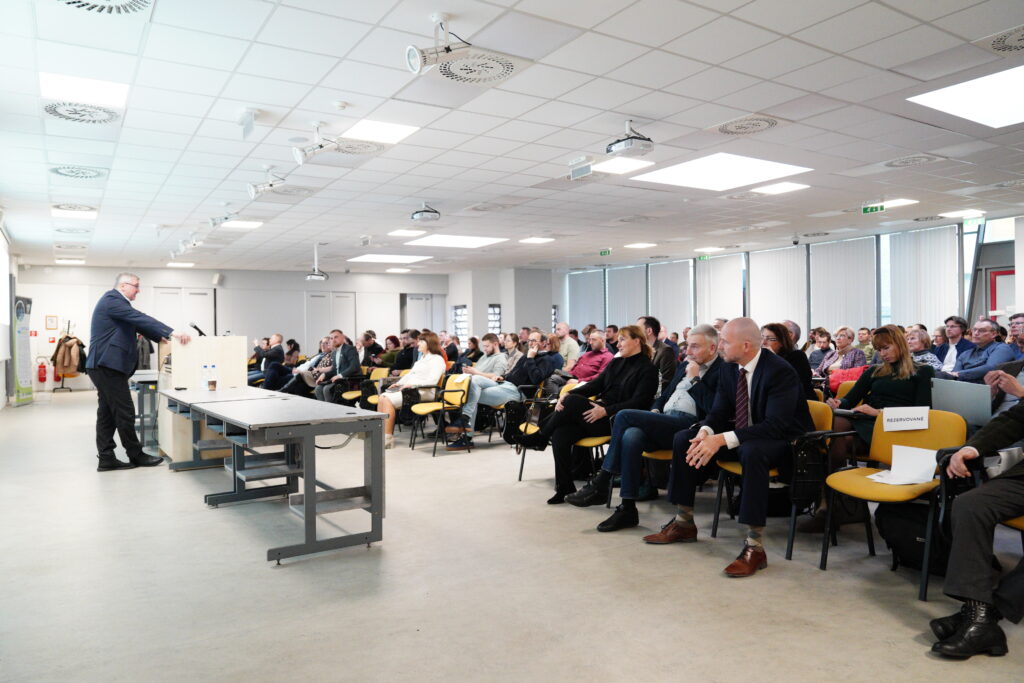
The second event, an Expert Workshop for ECOUNITY DAYS titled “New EU Agricultural Policy for 2028–2034 and Its Impacts on Slovakia,” was held on February 5, 2026. The workshop, attended by 155 participants, provided a platform to discuss legislative proposals from the European Commission. A moderated panel featuring university researchers and representatives from agricultural associations assessed how these reforms would influence rural development and environmental sustainability in Slovakia.
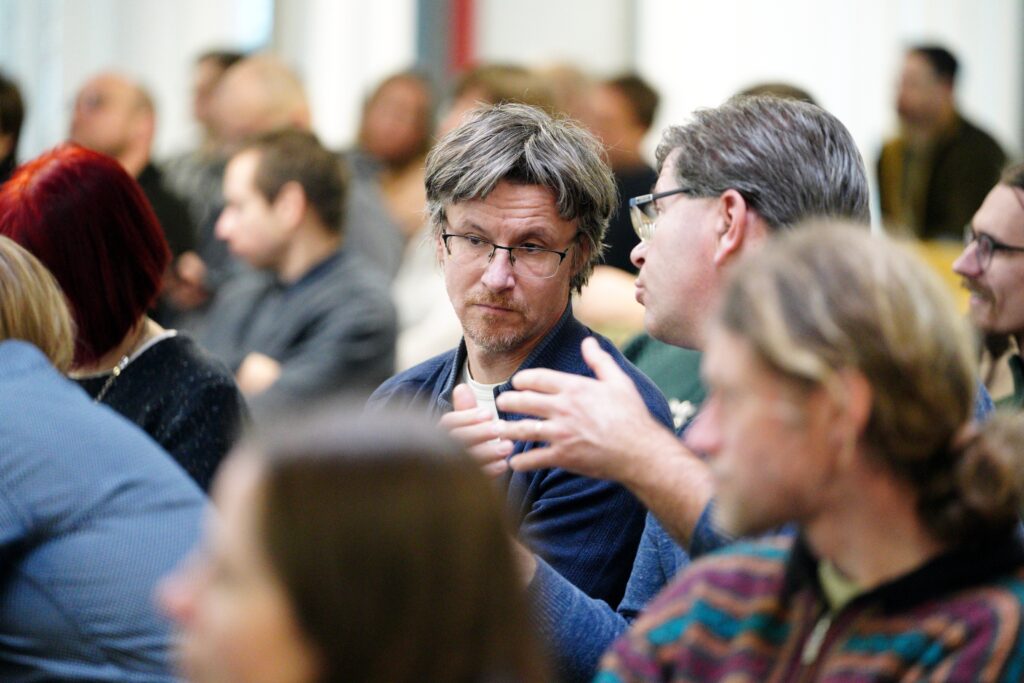
A Foundation for Long-term Cooperation Beyond sharing research findings, ECOUNITY DAYS served as a vital networking hub. The events successfully demonstrated how higher education institutions can act as “agents of change” by bridging the gap between theoretical research and practical field experience in climate change adaptation. Participants highlighted the value of these interactions in identifying future collaborative projects in research and policy dialogue.
The project continues to move forward with its digital transformation goals, utilizing its newly introduced e-learning platform to ensure these green competencies remain accessible to the wider academic community.